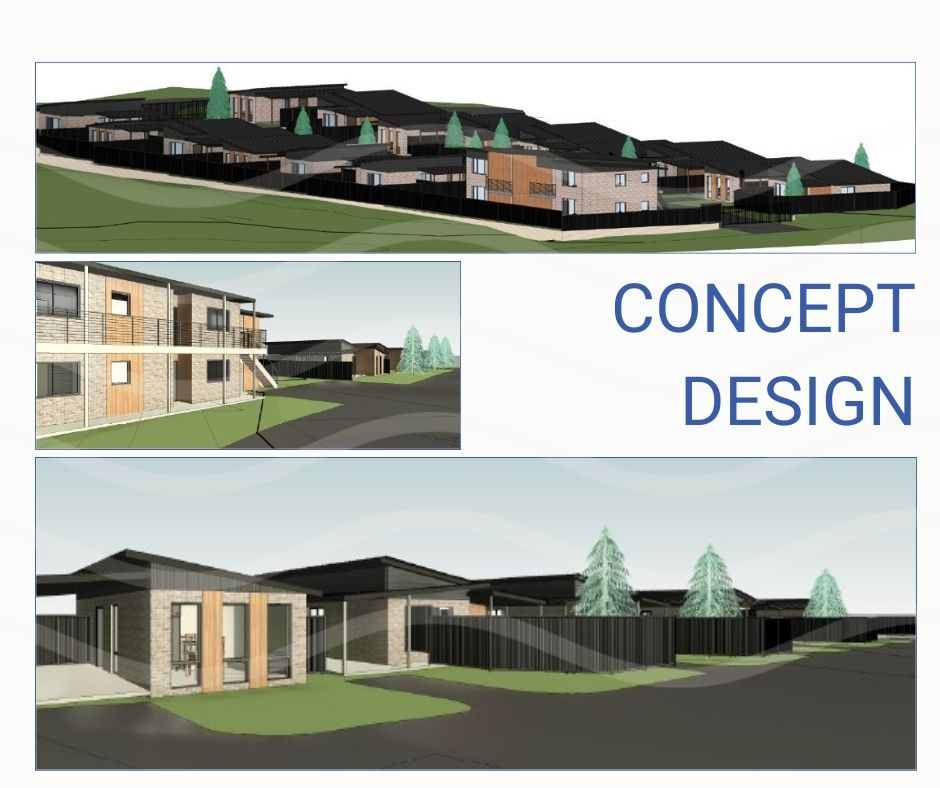
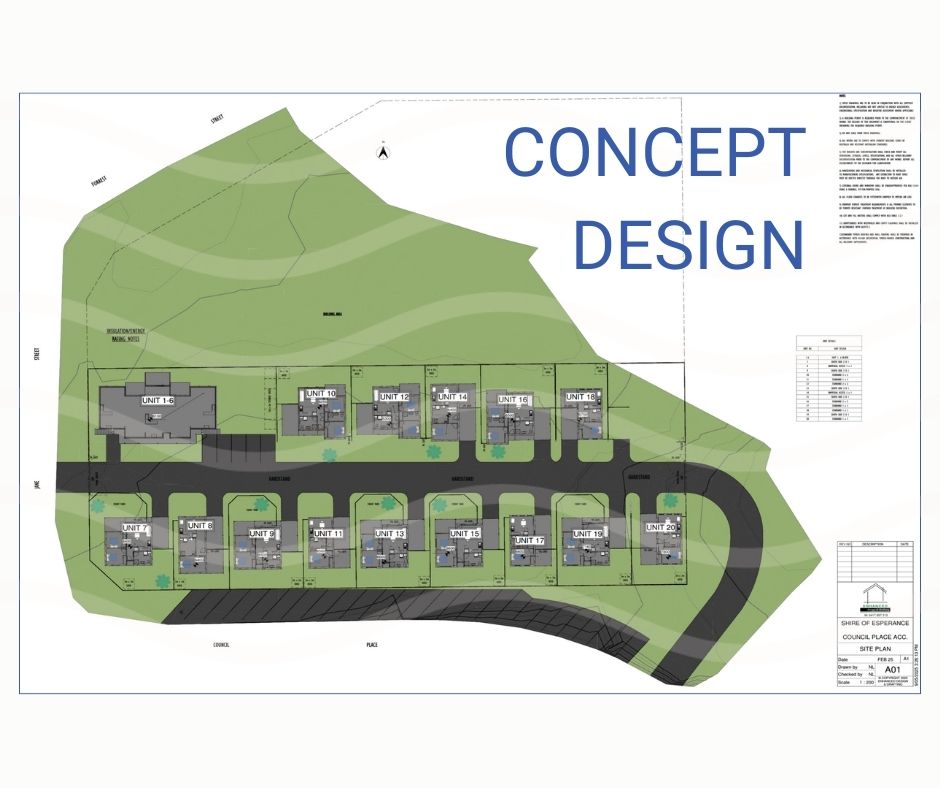
About the Project
The Esperance Key Worker Accommodation Project will deliver a long-term, sustainable solution to the ongoing shortages of worker housing in the Shire of Esperance. Stage 1 proposes a purpose-built facility with 20 units, accommodating approx. 30 key workers across government, community services, and local businesses.
This project will strengthen the local workforce, improve access to essential services and support regional economic development. The site is scalable, allowing additional units to be delivered as demand and funding allow.
Why This Matters
A shortage of appropriate and affordable housing is impacting the ability of local employers to recruit and retain staff, including:
- Healthcare and aged care workers
- Teachers and education support staff
- Community, disability and family services
- Hospitality, tourism and retail
- Local government and state government roles
Providing secure accommodation for key workers:
- Keeps critical services open and reliable
- Reduces staff turnover and recruitment costs
- Supports local businesses and the tourism economy
- Enhances community wellbeing and liveability
Housing Mix (Stage 1 - 20 Units)
Affordable Key Worker Housing – 10 Units.
- Rent: Set at 74.9% of market rent, consistent with the Department of Housing and Works’ Targeted Affordable Rental Housing Policy.
- Who for: Low-income key workers employed by community service providers and small/medium-sized local businesses.
Market-Based Key Worker Housing – 3 Units
- Rent: Standard Esperance market rates.
- Who for: Mid-tier roles such as team leaders and administrative managers working in local businesses and not-for-profit organisations.
Government Employee Housing – 7 Units
- Allocated to: Government Regional Officer Housing (GROH), WA Country Health Service (WACHS), and/or Local Government.
- Outcome: Supports continuity of essential government service delivery within the Esperance region.
Community Benefits
- Service continuity: Supports healthcare, education, community services, and local government
- Workforce stability: Attracts and retains essential staff across sectors
- Economic impact: Reduces skills shortages, supports local business activity and tourism
- Affordability: Offers secure, appropriate rental options for low- and mid-income workers
- Scalability: Site and design accommodate future expansion to meet demand